
Night Guards in West Edmonton
Protection While You Sleep
Bruxism — the involuntary grinding or clenching of teeth — is one of the most common and most destructive dental conditions that most people never know they have. The forces generated during grinding can be six to ten times stronger than normal chewing forces. That's enough to crack teeth, fracture fillings, and wear down enamel that can never be replaced. Most people are completely unaware they're doing it.
A custom night guard sits between your upper and lower teeth and absorbs those forces before they reach your enamel. It's a simple appliance that prevents a long, expensive list of problems — and it costs a fraction of what fixing the damage would.

Protects Your Teeth and Your Restorations
Every filling, crown, veneer, and implant you have is an investment. Grinding puts all of it at risk. A night guard creates a cushioned barrier that absorbs grinding forces instead of your enamel and restorations — preserving everything you've already had done and preventing the repairs you'd otherwise need.
Relieves Jaw Pain, Headaches, and Muscle Tension
Grinding doesn't just damage teeth. It overworks the muscles of your jaw, neck, and face — causing morning headaches, jaw soreness, clicking or popping in the joint, and chronic tension that can affect your whole day. A night guard repositions your jaw in a relaxed, neutral position and reduces the muscle overactivity behind those symptoms.

Custom-Fitted for Comfort and Effectiveness
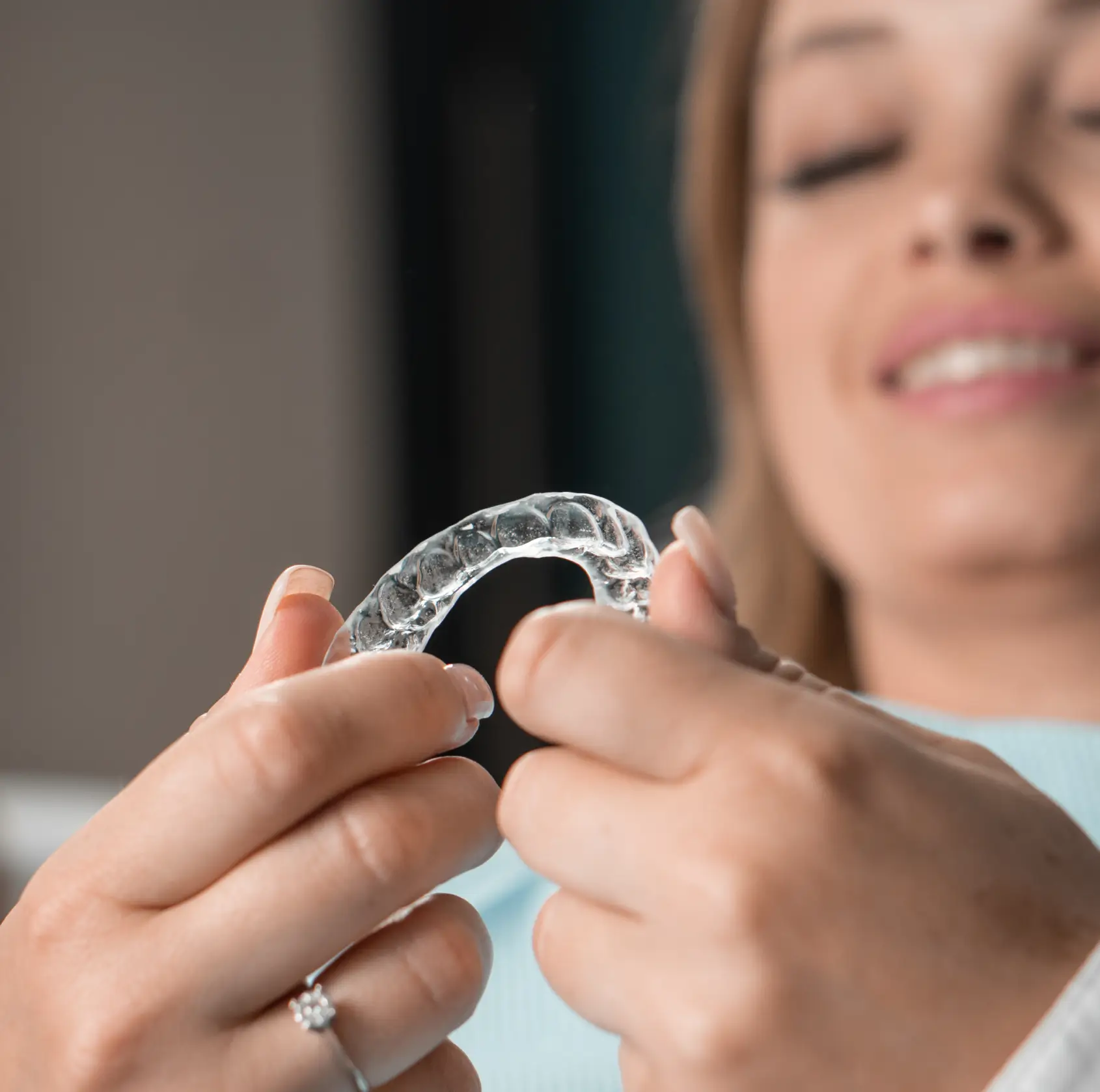
Your guard is precision-made by a dental lab to fit your teeth exactly. It's trimmed, adjusted, and polished at your fitting appointment until it sits comfortably and doesn't affect your sleep. Patients who've tried store-bought guards and given up are often surprised by how different a properly fitted one feels.

Accepting the Canadian
Dental Care Plan
What Bruxism Actually Is, and Why Most People Miss It
Bruxism is classified as a slow, progressive dental disease. Unlike a toothache or a visible crack, it gives almost no warning while it's happening. Grinding occurs most commonly during sleep, when you have no conscious awareness of the forces being applied to your teeth. A partner who hears it, or a dentist who sees the evidence, is often the only way a patient finds out.
Common triggers include:
- Stress and anxiety are the most common causes
- Sleep disorders, including sleep apnea and snoring
- A misaligned bite or missing teeth
- Caffeine, alcohol, or certain medications
- Genetics — it tends to run in families
Addressing the underlying cause, where possible, is helpful, but the guard protects your teeth regardless of what's driving the grinding. The reason early intervention matters is straightforward: enamel doesn't regenerate. Once it's worn away, the only way to restore it is with dental materials — fillings, crowns, veneers. A night guard stops the loss before it reaches the point where restoration becomes necessary.
Signs You May Be Grinding
Because bruxism happens during sleep, most people have no idea until a dentist spots the evidence. At your checkups, we look for:
- Flattened or worn biting surfaces
- Chipped or cracked teeth
- Notching at the gumline where enamel has been stressed away
- Cracked or fractured fillings and crowns
- Gum recession
- Jaw pain or soreness on waking
- Headaches or migraines, particularly in the morning
- Clicking or popping in the jaw joint
- Neck or shoulder tension
- Ear pain or ringing
You don't need to report symptoms to benefit from a guard — we find the clinical signs first. If a partner has told you that you grind at night, that alone is reason enough to come in. We'll show you what we find on your teeth and let you decide from there.

What Happens Without Protection
The damage bruxism causes doesn't plateau — it compounds. Here's the progression when grinding goes unaddressed:
To your teeth:
- Enamel wears down permanently, exposing the sensitive dentine underneath
- Teeth chip, crack, or split — sometimes beyond repair
- Existing fillings, crowns, veneers, and implants fail early and need replacement
To your jaw and muscles:
- TMJ damage worsens into chronic pain, clicking, locking, and difficulty chewing
- Headaches, neck pain, and facial muscle soreness become a daily problem
To your wallet:
- Every repair costs significantly more than a night guard would have
- Severely worn dentition can eventually require full-mouth rehabilitation — one of the most involved and costly treatments in dentistry
We've seen patients decline a guard and return a few years later needing multiple crowns on teeth that could have been preserved with a simple appliance. The math is straightforward.
How Your Night Guard Is Made
Getting a custom night guard takes two short appointments. Here's what each one involves.
Appointment 1 — Impressions or Digital Scan
We take precise moulds or a digital 3D scan of your teeth. This takes about five to fifteen minutes and is completely comfortable. The impressions are sent to a dental lab where your guard is fabricated. Depending on your clinical findings and the degree of grinding present, it will be made from hard acrylic or a softer thermoflex material — we'll explain which suits your situation before anything is sent to the lab.
Lab Fabrication — About Two to Three Weeks
Your guard is custom-made from precise models of your teeth, calibrated to your exact bite. No two guards are identical because no two mouths are.
Appointment 2 — Fitting and Adjustment
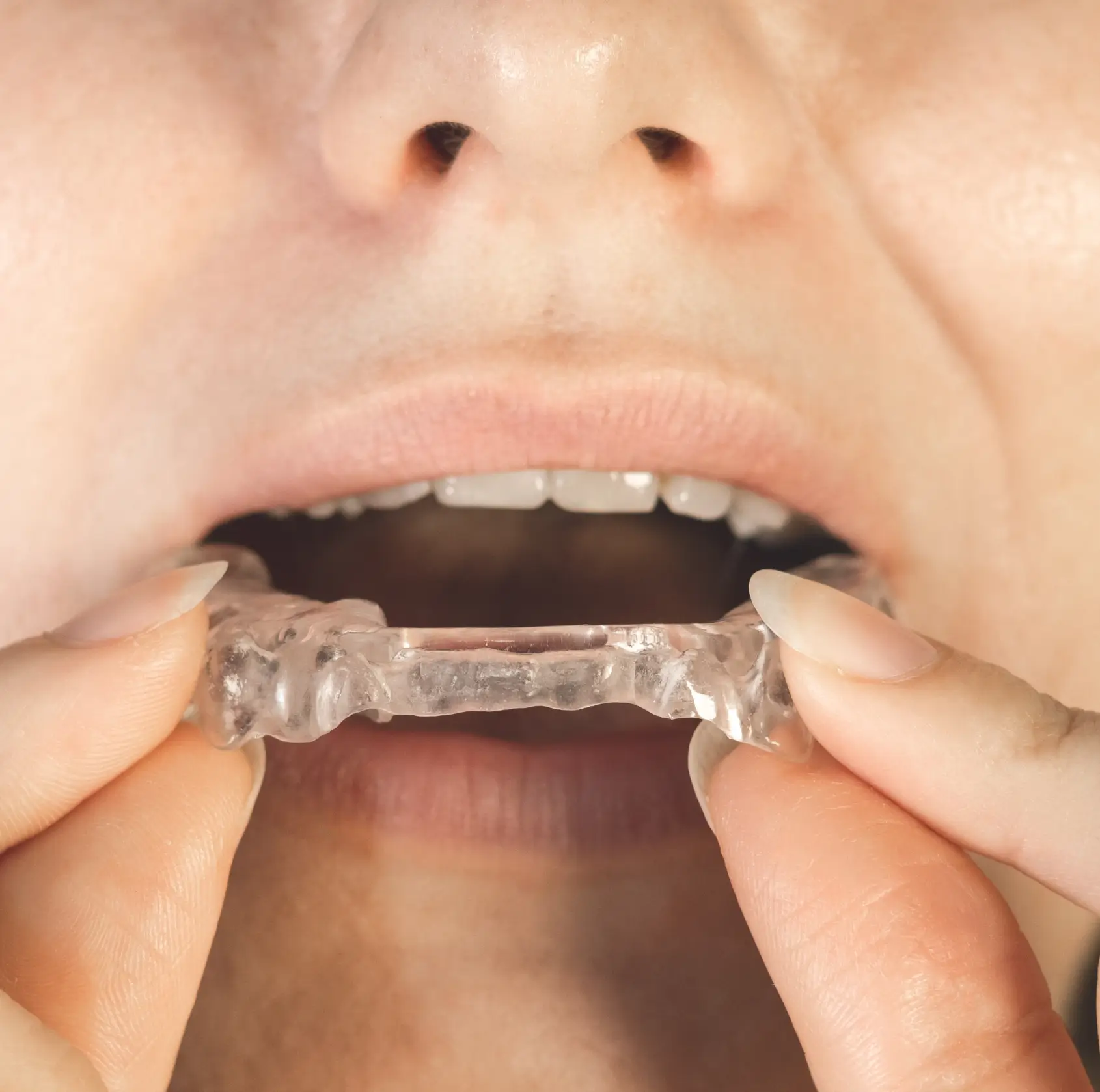
Your finished guard is tried in, checked for fit and bite, adjusted until it sits comfortably, and polished. Most patients leave this appointment wearing it comfortably. We'll walk you through how to insert it, remove it, clean it, and store it before you go.
Ongoing Use
Wear your guard every night. Bring it to every checkup so we can inspect it for wear and adjust it as your bite changes over time. With proper care, a custom night guard typically lasts three to seven years.
To keep your guard in good shape:
- Rinse with cool water before and after each use
- Clean gently with a soft brush — no toothpaste, which is too abrasive
- Store it in the case provided when not in use
- Keep it away from heat — it warps the material
- Bring it to every dental visit for inspection and adjustment
A Team That Listens Before It Acts
We Handle Complex Cases In-House
We Focus on Results, Not Recommendations





Dental Care That Works for Your Life
Fees Below Alberta Fee Guide
Direct Billing
to Insurance
Open Evenings and Weekends
Same-Day
Emergency Care
Frequently Asked Questions
What's the difference between a night guard and a TMJ appliance?
Both are custom oral appliances, but they serve different purposes. A night guard primarily protects teeth from grinding forces. A TMJ appliance is specifically designed to reposition the jaw joint and relieve pressure on the joint itself. For some patients, one appliance addresses both goals. We'll assess what you need at your consultation.
What if I clench during the day, not just at night?
Daytime clenching is common and often stress-related. A night guard addresses the sleeping hours, which is typically when the most damage occurs. For daytime habits, we can advise on awareness strategies and, in some cases, a separate daytime appliance. Let us know what you're experiencing and we'll figure out the right approach.
Can a night guard fix my jaw pain and headaches?
For many patients, yes — significantly. Repositioning the jaw in a neutral position during sleep reduces the muscle overactivity that causes morning headaches, jaw soreness, and facial tension. The degree of relief varies, but most patients who wear their guard consistently report improvement within the first few weeks.
How long does a night guard last?
Three to seven years with proper care, depending on how severely you grind. Heavy grinders may wear through one faster. Bring it to every checkup so we can assess the wear and advise when replacement is due.
Does insurance cover a night guard?
Coverage varies widely by plan. Some plans cover occlusal appliances in full or in part; others don't. We verify your benefits before fabrication so you know exactly what to expect. We direct bill your insurance and offer in-house payment plans for any remaining balance.
Will it be comfortable to sleep in?
It takes most patients a week or two to fully adjust. After that, most find they don't notice it — and many report sleeping better because jaw clenching decreases. If anything feels off after your fitting, come back in. Adjustment appointments are part of the process.
Are custom night guards better than the ones I can buy at the pharmacy?
Significantly. Over-the-counter guards are made from a generic mould that doesn't fit your teeth properly. A poorly fitting guard can actually shift your bite, cause jaw discomfort, or simply be uncomfortable enough that you stop wearing it. A custom guard fits exactly, stays in place, and is made from materials calibrated for the degree of grinding present.
I don't feel any pain. Do I still need one?
Bruxism is often painless for years while the damage accumulates. By the time symptoms become noticeable — sensitivity, jaw soreness, headaches — significant wear has usually already occurred. The absence of pain isn't the same as the absence of a problem. If we see the signs in your mouth, we'll show you and let you decide.
How do I know if I need a night guard?
The most reliable way is a dental exam — we can see the evidence of grinding in your teeth even if you've never noticed symptoms. Worn or flattened biting surfaces, cracked fillings, notching at the gumline, and jaw soreness on waking are all signs we look for. If a partner has noticed you grinding at night, that's also a strong indicator. Book a checkup and we'll take a look.
Located in West Edmonton
La Perle Dental Centre is in the heart of the La Perle neighbourhood, serving families across West Edmonton. Free on-site parking. Easy access from 182 Street NW.
Free parking is available on site. We are near West Jasper Place Community Health Centre at 9710 182 Street NW, Edmonton, AB T5T 3T9.